Marketing mechanism versus demonstrated outcome
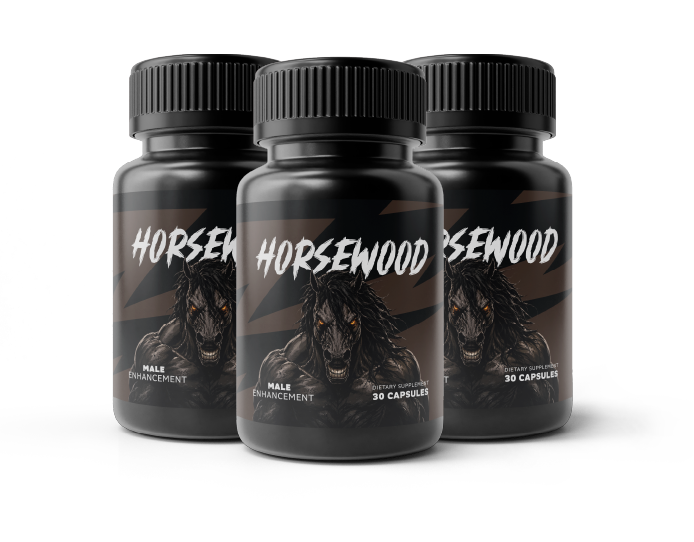
The seller groups HorseWood’s formula around themes such as drive, blood flow, stamina and hormone-related support. That is a marketing framework. To judge a supplement responsibly, split the question into three layers: whether an ingredient has a plausible biological mechanism, whether human trials support a meaningful outcome at a comparable dose, and whether the finished product has been tested.
Layer 1: mechanism
Botanicals can contain compounds that interact with biological pathways. Mechanistic plausibility is useful for forming a research question, but it does not tell you the size of an effect in people or whether a multi-ingredient capsule produces the seller’s promised outcome.
Layer 2: ingredient trials
Tongkat Ali has some human research, but studies vary by population, extract and outcome. Horny Goat Weed research is much less definitive for real-world sexual-performance outcomes. Saw Palmetto is a cautionary example: despite widespread marketing for men’s health, NCCIH says research does not support it for BPH symptoms and evidence for other uses is insufficient.
Layer 3: the HorseWood formula
We did not locate a published clinical trial of the finished HorseWood formula during this research pass. Without that, ingredient studies should not be presented as direct proof of HorseWood’s overall effect.
What a buyer can still evaluate
You can evaluate label transparency, serving directions, seller identity, return terms, category safety notices, whether the formula overlaps with your medications, and whether claims are framed as support rather than treatment. Those are concrete purchase-quality questions even when efficacy evidence is uncertain.